Best SEO Tools for Keyword Research and Website Analysis - 2026

When you choose the right SEO tools, honestly they are game-changers for your Google rankings. Think about it—when you're trying to figure out what your competitors are doing, hunting down keywords that actually convert, or just trying to fix whatever's broken on your site, having the right tools makes everything so much easier. You'll work faster, make better decisions, and actually see results instead of just guessing what might work.
At Ucodice, we work with ecommerce brands, SaaS companies, agencies, and bloggers — and across hundreds of SEO audits, we’ve tested almost every major SEO tool available today.
This guide covers the best SEO tools for keyword research, website analysis, content strategy, backlink auditing, on-page optimization, and competitive insights. I'm not going to waste your time with some cookie-cutter list you've seen a hundred times before. These are the tools that actually move the needle in 2026.
1. Ahrefs — Best Overall SEO Tool for Competitive Keyword Research
Look, if you are the type who wants one tool that does it all—keywords, spying on competitors, tracking backlinks, finding those SERP gaps everyone talks about, and coming up with actual content ideas—Ahrefs is still your best bet. It's been at the top for a reason.
Why Ahrefs is unbeatable for keyword research
- Huge keyword database
- Keyword Difficulty is extremely accurate
- You can see exactly which pages bring traffic to your competitors
- "Traffic Potential" shows how big a topic can actually get
- Zero-click search detection (very useful in 2026 SEO)
Best Features to Use
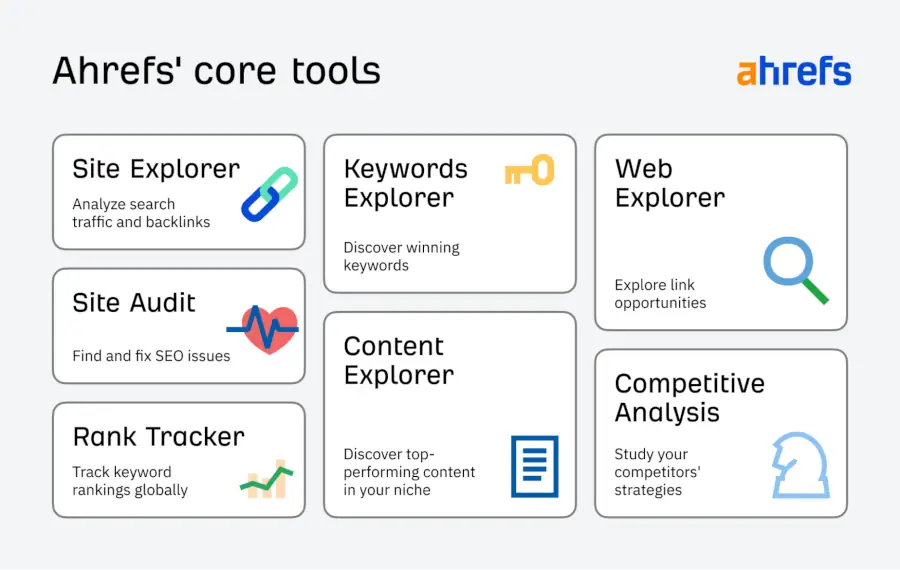
- Site Explorer: Analyse any competitor’s top keywords
- Content Gap: Shows keywords your competitors rank for but you don’t
- Top Pages: Reveals which pages bring the most organic traffic
- Keyword Explorer: Find long-tail keywords with high intent
When Ucodice recommends Ahrefs
- For ecommerce keyword strategy
- For affiliate site growth
- For SaaS competitor breakdown
- For agencies building client SEO plans
We personally use Ahrefs for our clients to get high quality results.
2. SEMrush — Best for All-in-One Website Audits & Marketing Reports
Semrush is perfect if you hate juggling multiple tools. You get SEO, PPC, social media insights, and technical analysis all in one place. It's basically your entire digital marketing stack on a single dashboard.
Why SEMrush is great for website analysis
- One of the strongest site audit systems
- Detects more technical issues than most tools
- Built-in content marketing toolkit
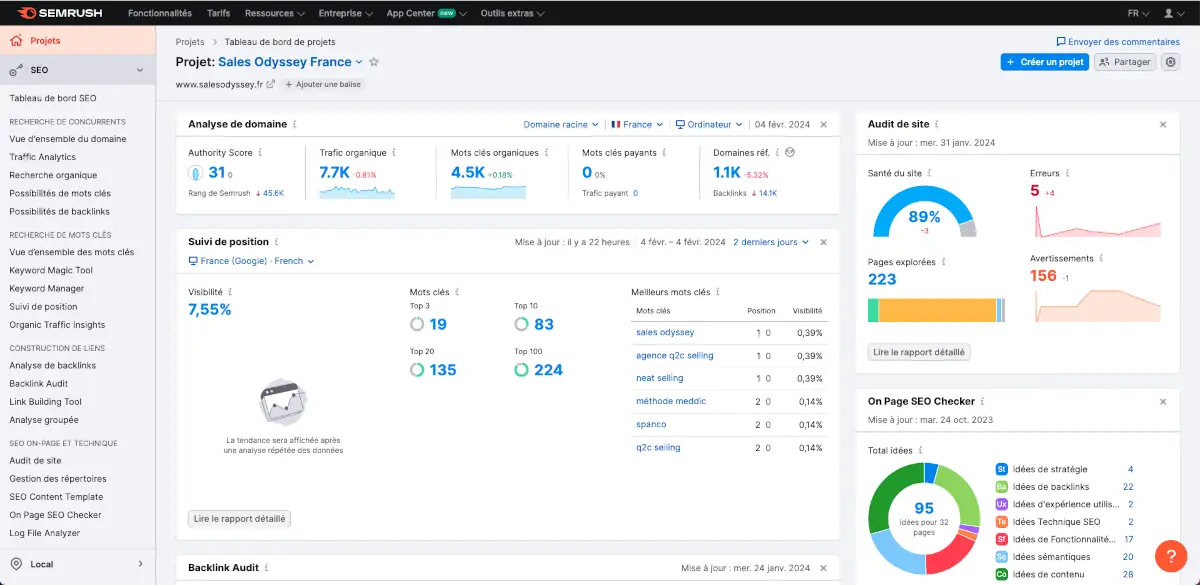
- Excellent Position Tracking visualization
Best Features
- Site Audit: Fix crawl issues, indexability, Core Web Vitals
- On-Page SEO Checker: Actionable improvement suggestions
- Keyword Magic Tool: Great for topic clustering
- Backlink Audit: Detect toxic backlinks
When Ucodice recommends SEMrush
- For brands that want all-in-one marketing visibility
- For agencies doing monthly SEO reporting
- For websites with technical SEO challenges
Personally, I'm all in on Ahrefs. Always have been. The accuracy it gives me is just miles ahead of anything else I've tried, and that matters when you're making real decisions about your SEO strategy.
3. Google Search Console — The Most Important FREE SEO Tool
Every SEO strategy begins with Google Search Console (GSC). If you're not checking Google Search Console at least once a week, you're basically guessing. You need to see what's actually happening with your site in Google's eyes.
Why GSC is essential
- Shows what queries you already rank for
- Reveals indexing issues
- Identifies pages losing traffic
- Helps improve CTR with real search data
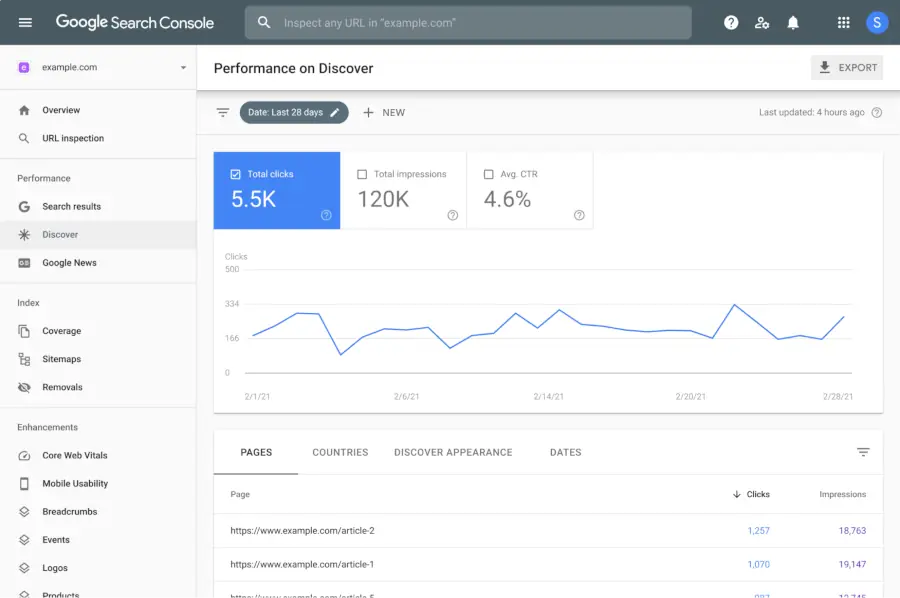
Key Features
- Performance: See clicks, impressions, CTR
- Coverage: Detect indexing or crawl errors
- URL Inspection: Understand how Google sees your page
- Enhancements: Core Web Vitals, mobile usability
When Ucodice uses GSC
- Daily ranking checks
- Detecting indexing drops
- Improving low-CTR pages
- Verifying schema and structured data
GSC is the foundation of every SEO strategy — no exceptions.
4. Google Keyword Planner — Best for Commercial & PPC Keyword Discovery
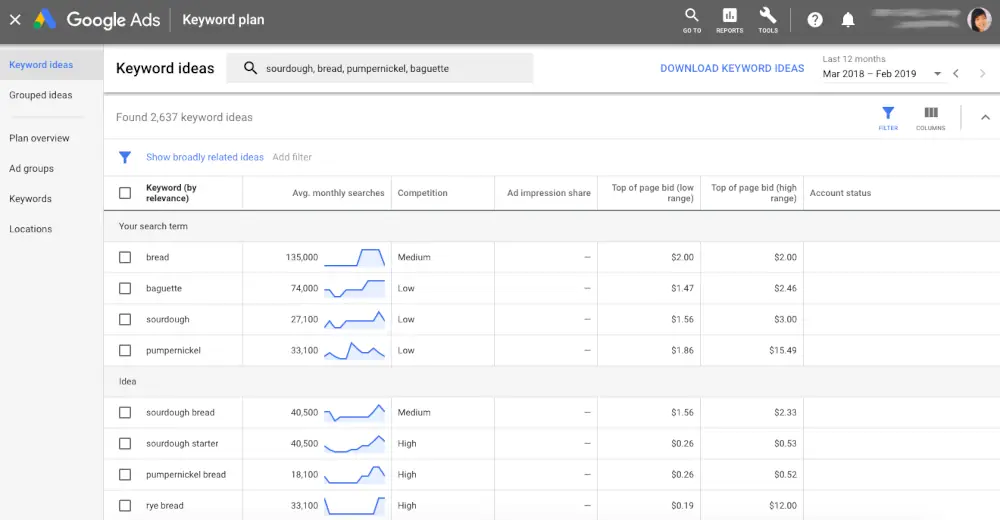
Sure, Google built it for running ads, but here's the thing—Keyword Planner gives you search volume data that's crazy accurate. It's coming straight from Google, so you're getting the real numbers, not estimates.
Why SEO pros still use Keyword Planner
- Data comes directly from Google
- Great for finding buyer intent keywords
- Ideal for local SEO keyword research
- Helps identify seasonal demand
When Ucodice recommends it
- For ecommerce keyword mapping
- For local SEO services (location keywords)
- For landing page keyword targeting
Once you get it dialed in properly, it's honestly one of the best tools out there for understanding what people are actually searching for. The demand data is solid.
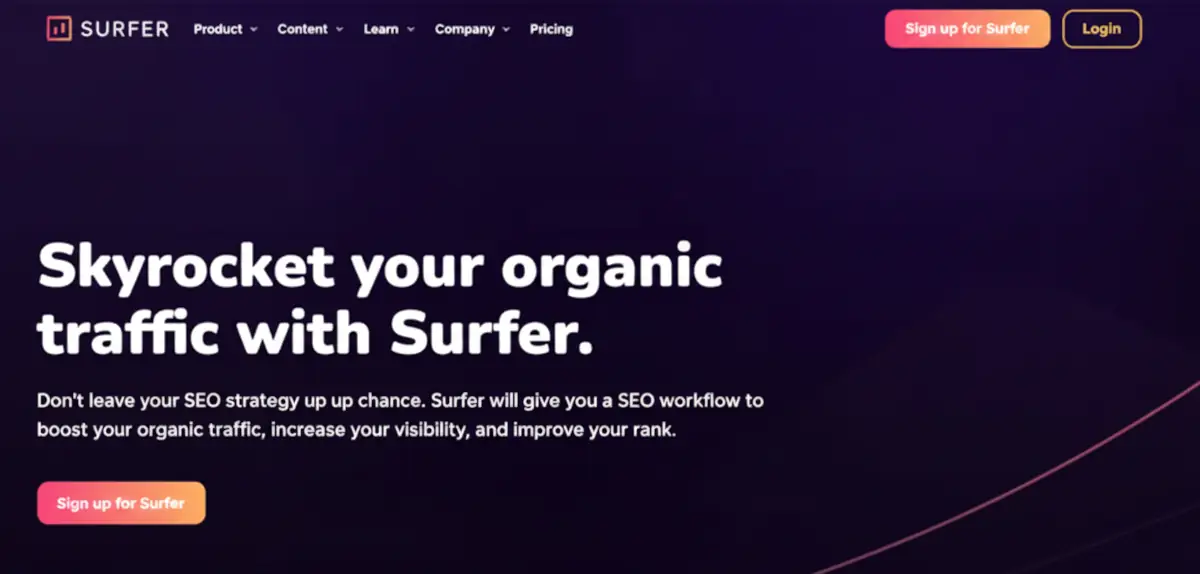
5. Surfer SEO — Best for On-Page Optimization & Content Writing
Surfer SEO takes all the guesswork out of on-page optimization. It just makes the whole process so much easier than trying to figure it out manually. It compares your page with top-ranking competitors and tells you exactly what to add.
Why Surfer is powerful
- NLP-based keyword suggestions
- Perfect for content briefs
- Real-time content score while writing
- Helps non-writers create SEO-friendly content
Best use cases
- Write optimized articles
- Improve existing pages
- Create authority topic clusters
At Ucodice, we use Surfer for content optimization frameworks and SOPs.
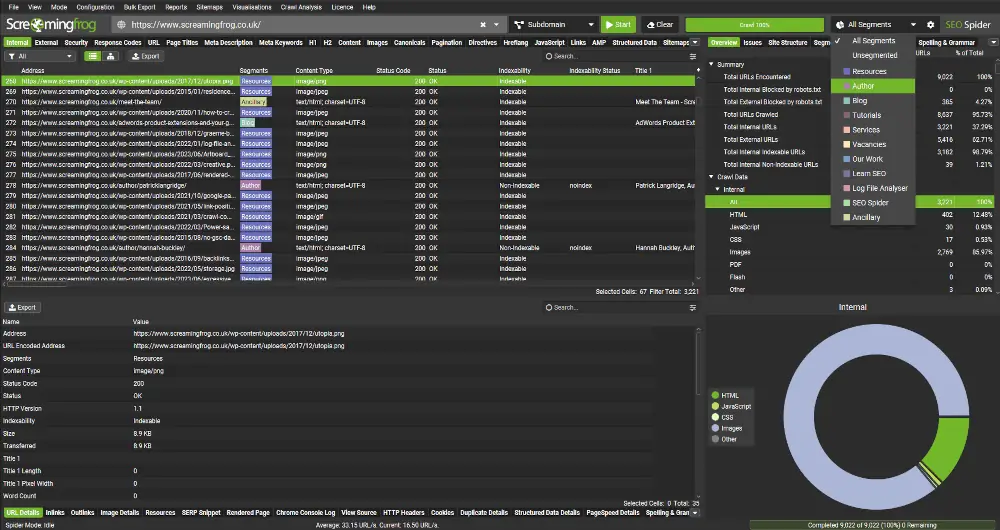
6. Screaming Frog — Best Technical SEO Crawler (Advanced)
If you want to audit a website deeply, Screaming Frog is your best friend.
Why Screaming Frog stands out
- Crawls your site exactly like GoogleBot
- Finds broken links, redirects, duplicate content
- Checks canonicals, hreflang tags, meta issues
- Integrates with GA + GSC for deeper insights
Best for
- Large websites
- Migration SEO
- Fixing indexing problems
- Technical SEO audits
This tool separates amateur SEO from advanced SEO.
7. Ubersuggest — Budget-Friendly SEO Tool for Beginners
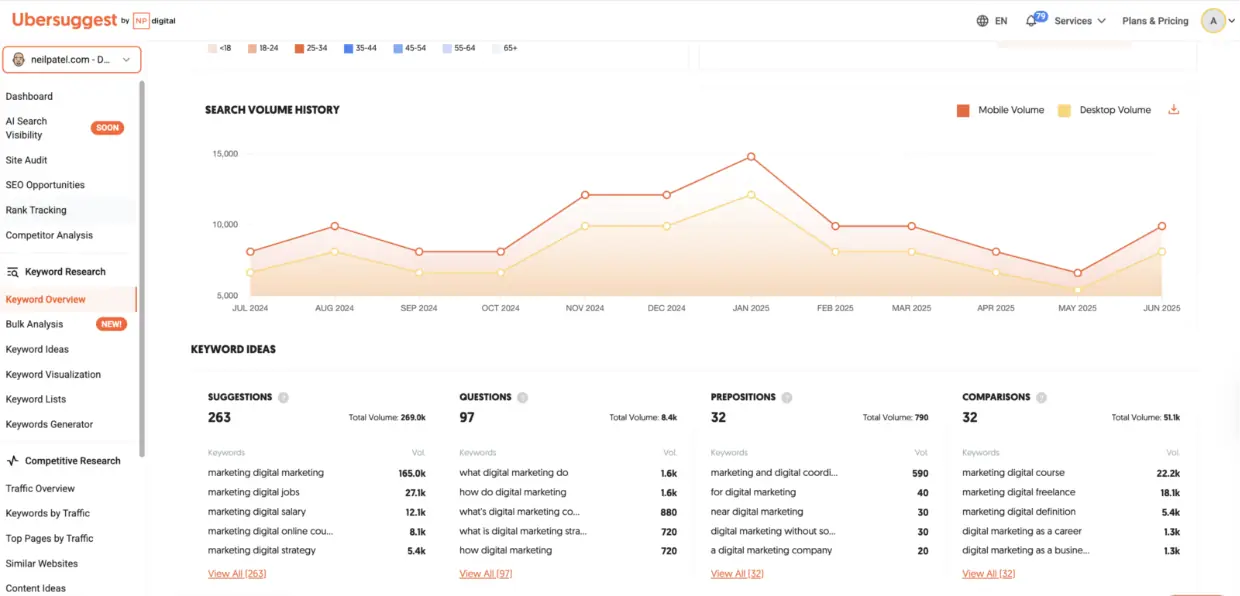
Ubersuggest is perfect for small businesses or beginners who want SEO data without spending heavily.
It includes
- Keyword ideas
- Competitor overview
- Simple audits
- Content analyzer
Why Ucodice recommends it
- Great for basic keyword research
- Super affordable
- Clean and easy for beginners
Not as deep as Ahrefs or SEMrush, but perfect for starter SEO.
8. Keywords Everywhere — Best Browser Extension for Quick Keyword Ideas
This is one of the simplest but most useful SEO tools.
Why it helps
- Shows keyword volume directly on Google
- Displays related searches
- Helps identify content gaps instantly
- Useful for YouTube + Amazon SEO too
If you research keywords daily, this tool saves hours.
9. Sitebulb — Best Visual Technical SEO Tool
Sitebulb is becoming popular for SEO audits because it visualizes problems beautifully.
What makes Sitebulb unique
- Graph-based crawl reports
- Internal link mapping
- Detailed technical insights
- AI-powered recommendations
Great for agencies doing premium, well-presented SEO audits.
10. MOZ — Best for Page Authority & Domain Metrics
MOZ remains relevant for link metrics and tracking authority.
Why people still use it
- Domain Authority (DA) still widely referenced
- Page Authority is strong for link evaluation
- Beginner-friendly keyword research
- Perfect for outreach, link analysis, and competitive research
Which SEO Tool Should You Choose? (Ucodice Recommendations)
- If you want the BEST keyword research tool: Ahrefs — Perfect for in-depth competitive strategy & content planning.
- If you want the BEST website audit tool: SEMrush — Ideal for technical SEO + reporting.
- If you want the BEST free tools: Google Search Console + Keyword Planner — Accurate, reliable, and essential.
- If you want the BEST content optimization: Surfer SEO — NLP-based suggestions that actually boost rankings.
- If you want advanced technical audits: Screaming Frog or Sitebulb — Professional-level crawlers.
Final Thoughts: Tools Don’t Rank Websites — Strategy Does
SEO tools give you data. What you do with that data is what ranks websites.
At Ucodice, we use a combination of Ahrefs, SEMrush, Surfer, Screaming Frog, and GSC to build full SEO roadmaps for clients — combining keyword research, technical fixes, on-page strategy, and conversion optimization.